Thinning Edges? Is a Traditional Sew-In the Right Fix
By Slaybyvashae Bundles and Styles | June 11, 2026
Serving Avondale, Goodyear, Litchfield Park, Tolleson, Phoenix, and Glendale

If you’ve been nervous to let anybody touch your hair, you’re not alone. We hear it all the time, especially from first-timers who found us online and just want to feel comfortable and leave looking good. Here’s the honest answer: a traditional sew-in can be a smart option for thinning edges because it protects your length and cuts down daily styling. But it only helps when your natural hair can handle low-tension braids and we install it in an edge-friendly way. If your edges are severely fragile, we’ll talk through gentler options first.
Thinning edges aren’t “random”, they’re usually tension plus daily life
Thinning edges usually show up slowly. One day your ponytail feels fine, and the next you’re noticing breakage around your hairline, spots that won’t fill in, or edges that just won’t lay the way they used to.
A lot of the time, it comes down to tension and repetition. Tight styles, over-slicking, heavy extensions, frequent heat, and even rough detangling can add up. And in Avondale, our intense summer heat plus occasional monsoon dust means more sweat and scalp buildup. That extra friction and itching can make you touch your edges more, scratch more, and pull more than you realize.
Real talk for commuters and shift workers: long workdays, outdoor errands, and sweating through a style can push you into constant re-do’s. A protective install only works if it lowers that daily stress on your hairline.
Why a low-tension traditional sew-in can help thin edges (and when it won’t)
A traditional sew-in helps thinning edges for one main reason. It can reduce what your edges are dealing with every single day. When your leave-out is blended properly and your install sits flat, you’re not flat-ironing your perimeter nonstop or slicking tight ponytails to “make it work.” That break is often what your edges need.
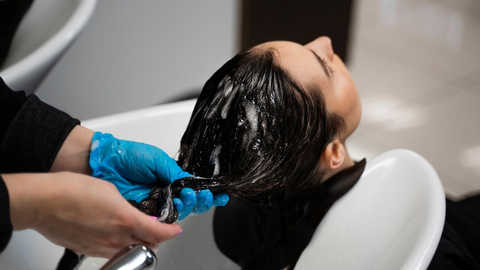
Our Traditional Sew-In appointment is built as a care set, not just an install. We start with shampoo, deep conditioning, a hot oil treatment, and a trim, then we install with natural leave-out so the blend looks realistic and seamless. That prep matters, especially in West Avondale near W Bermuda Drive where the heat can have your scalp sweating before you even get home.
“Having issues with thinning edges and itchy scalp, I ordered the treatment oils... when used daily, I see my edges have started to thicken.”
one of our long-time clients
Now the part we don’t skip. Sew-ins can also make thinning worse if the foundation is too tight, the braids are too small for what your edges can handle, or the style stays in too long with buildup. If your edges are already extremely fragile, a full sew-in might not be our first move. We’ll talk through options like a partial sew-in, a halo wig, tape-ins, or other low-tension styles that keep stress off the hairline.
Edge-friendly checkpoint: we want you to feel secure, not sore. If you feel throbbing, tightness, or bumps right after an install, let us know fast. Low tension is the goal every time.
Is a traditional sew-in right for your edges, or should we do something else?
A traditional sew-in tends to be a great fit when you have enough healthy “anchor hair” for a neat, low-tension foundation and your thinning is mild to moderate. It’s also a strong choice if you want your tracks to lay flat and undetectable, plus you like the look of natural leave-out.
You’ll probably love it if…
- You’re trying to keep your hands and heat off your hairline.
- You need a durable style that can handle Avondale sweat and day-to-day dust.
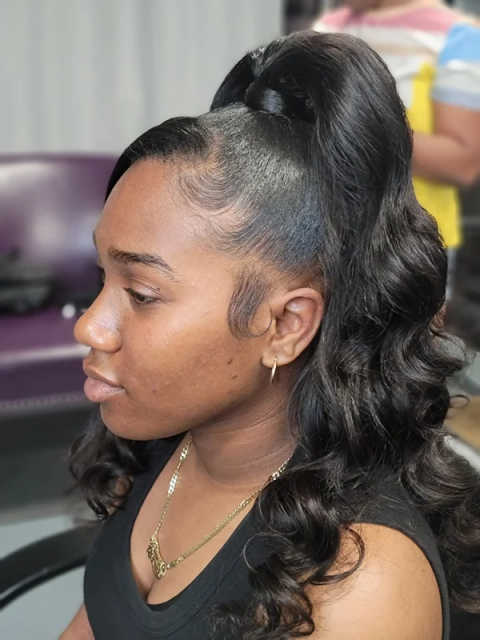
- You want a realistic blend with leave-out and a clean finish.
Let’s talk alternatives if…
- Your edges are so thin that braiding the perimeter would feel risky.
- You’ve had traction issues from tight installs before.
- You need almost zero leave-out because heat and humidity make it puff fast.
We’re in West Avondale near W Bermuda Drive, between Litchfield Road and Estrella Parkway, so it’s an easy drive for locals and quick access from I-10 for commuters coming in from Goodyear or Phoenix. And if you’re a first-timer, we’re used to that nervous energy. We’ll walk you through it.
Sew-in maintenance in Avondale heat: sweat, dust, and “I still need my scalp clean”
A sew-in isn’t a “set it and forget it” style, especially in Arizona. Summer heat plus monsoon dust can make your scalp feel itchy and coated fast. The fix is simple, but you have to be consistent.
Keep your foundation clean without roughing it up
We’ll show you how to cleanse gently between tracks and focus on your scalp, not aggressive scrubbing on your leave-out. Sweat left sitting in a foundation is what tends to cause odor, buildup, and irritation. If you work outdoors or you’re in the gym a lot, plan on more frequent scalp care than you would in a milder climate.
Protect your leave-out, especially around the edges
Edges usually don’t need daily heat. Most people do better with light, controlled styling and wrapping at night. And yes, you can exercise and even swim with a traditional sew-in. You just have to rinse and cleanse your scalp after, then dry the foundation well so it doesn’t stay damp.
Follow-up matters: we like a check-in within 2 to 4 weeks so we can look at tension, buildup, and how your edges are responding. That’s how you keep a protective style actually protective.
If you want more general extension education, take a look at our hair extensions guide for Avondale. We break down what works best for different routines.
Why West Avondale keeps coming back to Slaybyvashae for sew-ins
We’re big on two things: comfort and details. People come in nervous and leave feeling taken care of. Our space stays clean and private, and we don’t rush through the parts that actually protect your hair, like the deep condition, hot oil, and trim that come with our Traditional Sew-In.
“Great attention to detail, my tracks are flat, undetectable, and my hair has lots of body.”
one of our regulars
And we don’t just send you out the door. Clients tell us they appreciate the education, including how to maintain your hair and what products to use, so your sew-in still looks good weeks later. If you’re comparing extension options, our second hair extensions guide is another good read.
Next step: If thinning edges are your concern, let’s start with a consultation. We’ll look at your perimeter, talk about your routine, and decide if a traditional sew-in is the right move or if a lower-tension alternative makes more sense.
Prefer to plan it out? Reach us at +16029027162 or latashaseawood@yahoo.com. We’re easy to get to for West Avondale residents and commuters coming off I-10.
Traditional Sew-In FAQs for thinning edges
Is a Traditional Sew-In good for thinning edges?
It can be, when your edges still have enough strength to support a low-tension foundation. The win is less daily pulling, slicking, and heat on your perimeter. If your edges are extremely fragile, we’ll usually recommend a gentler option after we look at your hairline in a consultation.
Will a sew-in make my hair fall out more?
A sew-in should not cause extra shedding when it’s installed with low tension and you keep your scalp clean. The problems come from installs that are too tight, left in too long with buildup, or styled with too much heat on the leave-out. If anything feels tight or painful, tell us right away so we can fix it.
How often should I get a sew-in redone if I live in hot, dusty weather?
Hot weather and dust can mean more sweat and buildup in your foundation, so you’ll want regular scalp care and a realistic takedown schedule. We also recommend a follow-up check within 2 to 4 weeks to make sure tension and cleanliness are on track, then we’ll guide your redo timing based on how your hair and scalp are doing.
Can I swim or exercise with a traditional sew-in in Arizona heat?
Yes. Just be serious about what happens after. Rinse and cleanse your scalp as needed, then dry the foundation well so it doesn’t stay damp. Sweat and moisture sitting in the braids is what tends to cause irritation and odor.
How should I prepare my hair before getting a Traditional Sew-In?
Come ready to talk about your routine, your edge history, and what styles have felt too tight in the past. In your appointment, we handle the prep as part of the service. A Traditional Sew-In takes about 210 minutes and includes shampoo, deep conditioning, a hot oil treatment, and a trim for a natural, seamless look.
Slaybyvashae Bundles and Styles | 11526 West Bermuda Drive, Avondale, AZ 85392 | +16029027162 | latashaseawood@yahoo.com